
Candid vs Posed Wedding Photos

The moment most couples realise they care about photography style is not when they book a photographer. It is when they picture themselves actually being photographed. If the idea of standing still, wondering what to do with your hands and smiling on command makes you tense up, the candid vs posed wedding photos question suddenly feels very real.
For some couples, a little direction is helpful. For others, too much of it can pull them out of the day. The right approach is not about following trends or copying what looks good on social media. It is about how you want your wedding to feel while it is happening, and how you want it to feel when you look back at the photographs years later.
What is the difference between candid and posed wedding photos?
Candid wedding photos are taken as moments naturally unfold. They capture people laughing during the speeches, your nan squeezing your hand during the ceremony, or the look on your partner's face when they first see you. These images are about connection, atmosphere and emotion. They do not rely on everyone looking at the camera or standing in a perfect line.
Posed wedding photos are more directed. The photographer will arrange where people stand, where they look and sometimes how they hold themselves. This can be as simple as gathering family for a group photo or as styled as setting up a romantic portrait with careful placement and repeated adjustments.
Neither approach is wrong. The real question is how much direction you want on the day, and which style feels more like you.
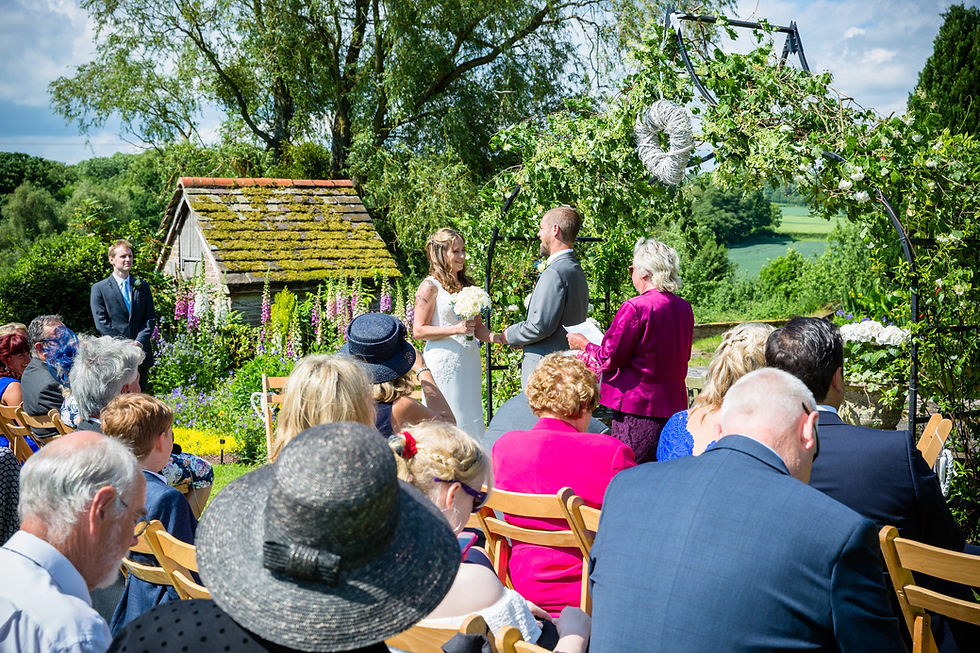
Candid vs posed wedding photos - how each feels on the day
This is the part many couples miss. Photography style does not only affect the final gallery. It affects the pace and mood of your wedding.
A candid approach tends to feel lighter and less interrupted. You get to spend more time with your guests, move naturally through the day and stay present instead of thinking about the camera. For couples who feel awkward being watched, that can be a huge relief. The photographs often show people as they really are because they have had the space to relax.
A posed approach can feel more structured. Some couples like that because it gives them certainty. They know there will be formal family photos, polished portraits and images where everyone is looking their best. If you love a bit of order and want clear guidance, posing can feel reassuring rather than stiff.
The trade-off is that heavy direction can slow things down. A wedding can start to feel like a sequence of mini photo sessions if every moment is arranged. That does not suit every couple, especially if what matters most to you is being with your people and enjoying the day as it unfolds.
Why candid photos often mean more over time
The photos people come back to again and again are not always the neatest ones. They are often the ones that bring the feeling back.
A perfectly arranged portrait can look lovely on the wall. But the image of your dad trying not to cry, your friends howling with laughter, or the quiet second just after the ceremony often carries more emotional weight. Those moments are impossible to fake properly because they matter precisely because they happened on their own.
That is why documentary-style coverage tends to age so well. Trends change. Editing styles come and go. Real reactions stay real. When your wedding photos are built around genuine moments, they keep their value because they remind you how the day actually felt, not just how it looked.
When posed wedding photos are still worth having
Even couples who want a relaxed, natural gallery do not have to reject posed photographs completely. In fact, a small amount of direction is often useful.
Group photographs matter to families. Grandparents may want one good photo of everyone together. Parents often appreciate a proper picture with their children dressed up for the occasion. These are not the most spontaneous images of the day, but they can become very important over time.
A few lightly guided couple portraits can also be a good thing. The key is that they do not need to feel formal or forced. Good direction should help you settle into each other, not perform. A calm photographer can guide you to good light and a flattering setting, then let the natural connection between you do the rest.
That middle ground is often where the best wedding galleries live. You get the honest story of the day, plus the few must-have photos that make family albums complete.
Which style suits camera-shy couples?
If you already know you hate being photographed, candid coverage is usually the safer choice.
Most camera-shy couples do not dislike photos themselves. They dislike the experience of being put on the spot. They worry about looking unnatural, doing the wrong thing or being asked to repeat moments for the camera. The more attention placed on posing, the more self-conscious they tend to become.
A documentary-led photographer works differently. Instead of constantly interrupting, they observe. They blend into the day, watch for real interactions and step in only when needed. That lets couples settle into the wedding rather than into a performance.
This can be especially helpful at South Wales venues where the atmosphere does a lot of the work already, whether that is a countryside barn, a city venue in Cardiff or a family celebration in Caerphilly. When the day has movement, warmth and familiar people around you, natural photography tends to flourish.
How to choose between candid and posed wedding photos
Start with a simple question. When you imagine your wedding morning, ceremony and reception, do you want your photographer to quietly capture it or actively shape it?
If your priority is real moments, minimal interruption and a gallery that feels like the true story of the day, candid coverage is likely the better fit. If you want more control, more polish and regular guidance, you may lean towards posed photography.
It is also worth thinking about your personalities rather than your Pinterest board. Plenty of couples save elegant editorial portraits, then realise they would hate spending a large part of their wedding trying to recreate them. Others like a bit more structure because it helps them feel looked after. There is no badge for choosing the most relaxed option if it does not suit you.
The best thing you can do is ask a photographer how they actually work on the day. Not just what the photos look like, but how they get them. Do they direct constantly? Do they keep group shots efficient? Do they help without taking over? Those answers tell you far more than a highlight gallery alone.
The best approach is usually balanced, but led by real moments
For most weddings, this is not truly an either-or choice. You do not have to pick a gallery made entirely of posed images or one with no guidance at all.
What tends to work best is a candid foundation with light structure where it genuinely helps. That means natural coverage for the bulk of the day, efficient family groups, and relaxed couple portraits that feel like a breather rather than a photoshoot. You still get beautiful images, but the wedding remains your wedding, not a production.
That approach is especially valuable if you want photographs filled with personality. Your guests are not props. Your day does not need constant arranging to be worth remembering. Often, the strongest images come from giving people room to be themselves and knowing exactly when to step in and when to step back.
At Eyes2Me Photography, that balance sits at the heart of the experience. The aim is not to leave you unsupported, and it is certainly not to turn the day into an endless line of awkward poses. It is to keep things relaxed, help when needed, and capture the real story as it happens.
What to ask yourself before booking
Before you choose your photographer, picture the moments between the big moments. The chatter before the ceremony. The hugs after it. The way your guests mingle, laugh and let their guard down once the day gets going. Ask yourself whether you want those moments observed naturally or interrupted and reset.
Then think ahead to the gallery. Which images will matter most in ten years? The ones that prove everyone looked at the camera, or the ones that let you remember the people, energy and emotion that made the day yours?
If you keep coming back to warmth, ease and genuine feeling, that tells you a lot. The best wedding photos are not the ones that ask you to be someone else for a day. They are the ones that let you recognise yourselves straight away.


Comments