
Documentary Wedding Coverage Guide


You notice it most in the moments nobody plans - your dad straightening his jacket before the ceremony, your best friend trying not to cry, the look you give each other when the room finally settles after the speeches. That is where a documentary wedding coverage guide becomes useful, because it helps you understand what this style really gives you on the day, not just how the photos look afterwards.
For a lot of couples across South Wales, documentary coverage is appealing for one simple reason. They do not want their wedding to feel like a photoshoot with a ceremony squeezed in. They want the day to feel like their day, with enough space to be present, see their guests and actually enjoy it. If you are not keen on stiff posing or being told where to stand every ten minutes, documentary photography usually feels like a much better fit.
What documentary wedding coverage actually means
At its heart, documentary wedding photography is about observation rather than direction. The photographer watches what is unfolding, anticipates moments and captures them as they happen. Instead of building the day around the camera, the camera works around the day.
That does not mean there is no structure at all. A good documentary photographer still brings experience, timing and calm guidance when it is needed. Family group shots may still be organised efficiently. Couple portraits can still happen, usually in a relaxed and natural way. The difference is that the bulk of the day is photographed with a light touch, so the images feel genuine rather than manufactured.
This matters because your wedding is not a fashion shoot. It is full of relationships, nerves, humour and little moments that cannot be repeated. Documentary coverage protects those things instead of interrupting them.
A documentary wedding coverage guide for real wedding days
If you are trying to picture how this works in practice, it helps to think through the day as it actually unfolds.
During morning preparations, documentary coverage focuses on atmosphere and interaction rather than a long list of styled setups. That might mean laughter over hair and make-up, someone hunting for a missing buttonhole, children running in and out, or a quiet minute before you leave. These are the moments that bring the story back when you look through your gallery years later.
At the ceremony, the value is obvious. You want the emotion, the reactions and the sense of place without a photographer becoming the main event. Unobtrusive coverage allows the focus to stay where it belongs. The images feel more honest because nobody has had to stop and perform for them.
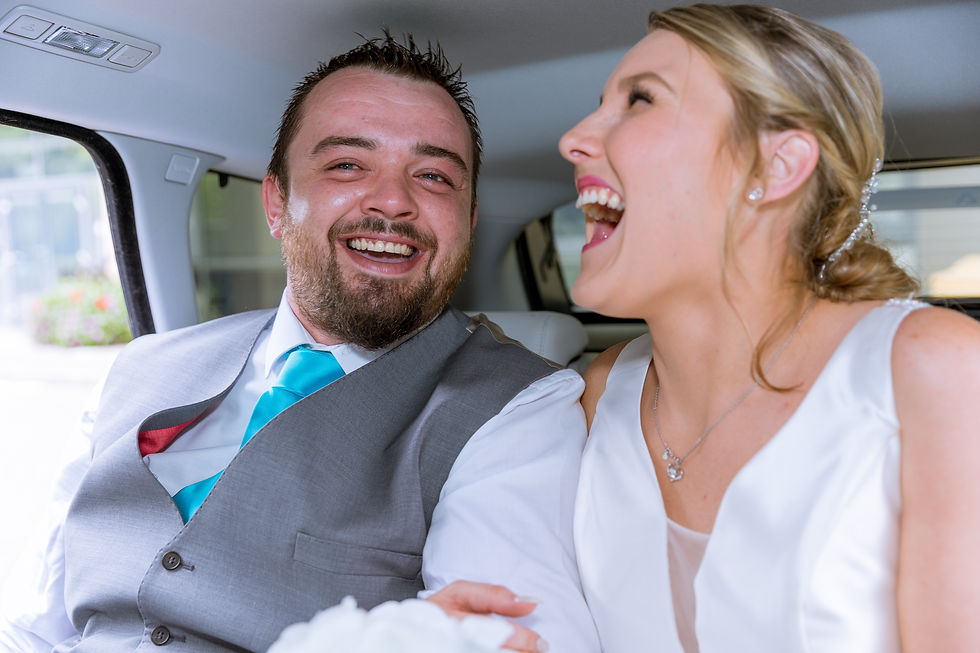
After the ceremony, documentary work really comes into its own. Congratulations, hugs, confetti, guests chatting, people at the bar, grandparents together, children making their own fun - this is often the heart of the wedding, and it passes quickly. A documentary photographer is looking for those connections all the time.
During speeches, there is usually no need for interference at all. The photographs come from observation, timing and knowing where emotion is about to land. The same goes for dancing later on, where the best images are rarely the result of direction. They come from people forgetting about the camera and getting on with having a brilliant time.
What you gain from a relaxed documentary approach
The biggest benefit is not only the final gallery. It is how the day feels while it is happening. When you are not being constantly arranged and repositioned, you stay with your guests and with each other. That changes the energy of the whole day.
For couples who feel awkward in front of the camera, this can be a huge relief. You do not need to suddenly become confident posers to get meaningful wedding photographs. You just need a photographer who knows how to spot good light, read people well and work without making everyone self-conscious.
There is also a practical benefit. Weddings run to a schedule, even the relaxed ones. If photography takes over, everything starts to feel rushed elsewhere. Documentary coverage tends to protect your timeline rather than compete with it.
That said, it is worth being realistic. If you want lots of dramatic, heavily directed portraits and very polished editorial-style images, a purely documentary approach may not be the right match. Most couples want a balance - mostly natural coverage, with a short, easy portrait session and a handful of family groupings. That is often the sweet spot.
What to look for in a documentary wedding photographer
Not every photographer who uses the word documentary works in the same way. Some still direct large parts of the day and simply edit the images to feel natural. Others genuinely take an observational approach.
When you are looking through galleries, pay attention to whether the people in the photos seem engaged with each other or aware of the camera. Look for real expressions, natural body language and moments that feel unrepeatable. A strong documentary gallery should show storytelling, not just pretty details.
It also helps to ask how the photographer works on the day. Do they blend in easily? Are they calm when timings shift? Can they handle group shots efficiently without turning them into a major production? Experience matters here, especially at busy venues where light changes quickly and things rarely run exactly to plan.
For couples getting married in places like Caerphilly, Cardiff, Newport or Swansea, local knowledge can make a real difference too. A photographer who knows the venue flow, understands where the light falls and is familiar with the pace of weddings in South Wales can work more confidently and with less fuss.
How much direction is still helpful?
This is one of the biggest questions couples ask, and the honest answer is: a little direction is often useful.
Even the most documentary-led wedding coverage usually benefits from some gentle guidance at certain points. Family groups need organising so they are done quickly and nobody disappears to the bar too early. Couple portraits often work best with simple prompts rather than formal poses. Something as easy as asking you to walk together, stop for a moment, or chat naturally can create photographs that feel relaxed without looking staged.
So if you are worried that documentary means no support at all, it does not. Good documentary coverage is not passive. It is thoughtful. The photographer knows when to step back and when to quietly help.
How to get the best from documentary coverage
You do not need to perform for this style, but there are a few things that make it even stronger.
First, give yourself breathing room in the timeline. If every part of the day is squeezed too tightly, there is less space for natural moments to happen. A little margin around the ceremony, drinks reception and portraits makes everything feel calmer.
Second, think about what you want to remember. Not just the formal milestones, but the people and interactions that matter most. If there is a grandparent travelling in, a friend doing a reading, or a family dynamic that means a lot to you, tell your photographer. Documentary coverage is strongest when it is personal.
Third, trust the process. The best candid photographs happen when you get on with the day instead of checking where the camera is. Be with each other. Talk to your guests. Laugh when things go slightly off-script. Those moments often become the favourites.
Is documentary wedding coverage right for you?
If you want your wedding photographed without feeling managed all day, there is a good chance it is. If you care more about real emotion than perfect posing, it probably is. If the thought of hours of staged photography makes your shoulders go up around your ears, it almost certainly is.
If you love high-fashion portraiture and want a strong editorial look throughout the day, you may want a photographer with a different emphasis. There is no right or wrong style, only the style that fits how you want your wedding to feel.
For many couples, documentary coverage offers the best kind of reassurance. You do not have to become different versions of yourselves to get beautiful photographs. You can simply have your wedding, spend time with the people you love and trust that the real story is being noticed. That is usually where the most lasting images come from.
A good wedding gallery should take you back to how it felt, not just how it looked. If that is what you want from your photographs, let the day breathe and choose someone who knows how to see it properly.


Comments