
How Documentary Wedding Photography Works

Updated: May 16
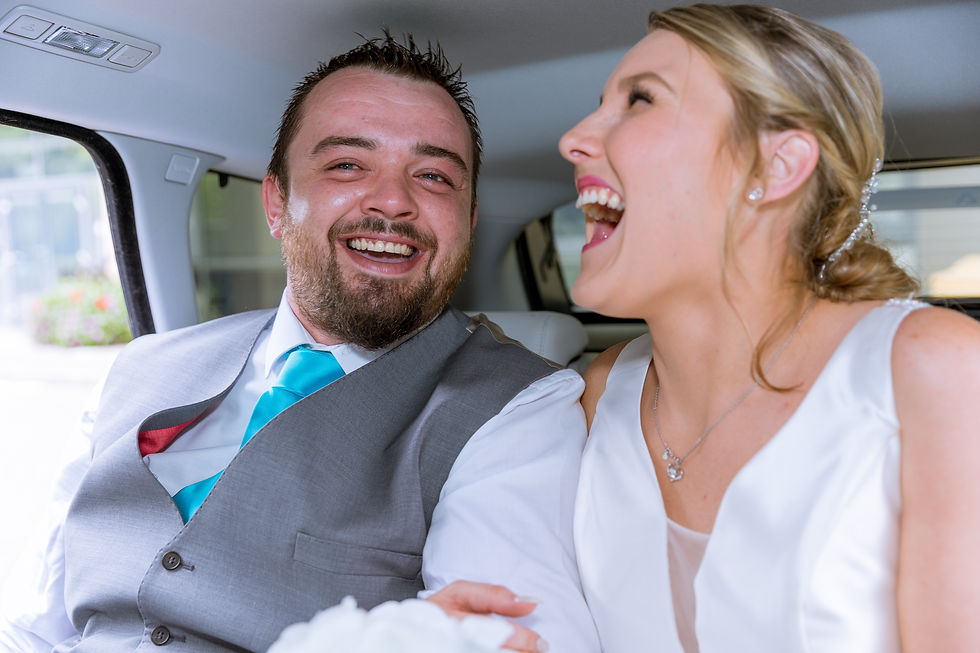
You know that feeling when someone points a camera at you and suddenly your hands seem to belong to somebody else? That is exactly why many couples ask how documentary wedding photography works. They want beautiful photographs, but they do not want the day to feel like a photo shoot. They want to spend time with their people, not stand in a line being told where to put their chin.
Documentary wedding photography is built around what is really happening, not around staging moments that were never there in the first place. Instead of directing most of the day, the photographer observes, anticipates and quietly records the real interactions as they unfold. The result is a set of images that feels like your wedding, not a version of it created for the camera.
For couples planning a wedding in Caerphilly, Cardiff, Newport, Swansea or elsewhere in South Wales, that often brings a huge sense of relief. If being photographed makes you nervous, documentary coverage usually feels far easier because the focus is on your experience first and the pictures second.

What documentary wedding photography actually means
At its heart, documentary wedding photography is storytelling. The photographer is not trying to manufacture a perfect-looking day. They are paying attention to the laughter during bridal prep, the look on your dad's face before the ceremony, the way your friends react during speeches, and the small moments you may not even notice until you see them afterwards.
That does not mean the photographer just turns up and randomly snaps away. Good documentary coverage takes experience, timing and awareness. The photographer has to read people well, understand where moments are likely to happen, move discreetly, and make quick decisions about light, composition and positioning without interrupting what is going on. It is natural, but it is not passive.

How documentary wedding photography works on the day
The day usually starts with observation rather than instruction. During morning preparations, a documentary photographer will often begin by taking in the room, noticing the light, spotting where key interactions are happening, and gently blending into the background. Rather than stopping everything to arrange props or repeat actions, they will photograph moments as they happen - your mum fastening a bracelet, a nervous smile in the mirror, the chaos when someone cannot find the buttonhole.
As the ceremony approaches, the approach stays much the same. The photographer will position themselves carefully so they can capture arrivals, reactions and the ceremony itself without becoming a distraction. They are looking beyond the obvious headline moments too. Yes, the vows matter, but so does your niece swinging her legs on the front row or your grandad wiping his eye when he thinks nobody has noticed.
After the ceremony, there is often a balance to strike. Most couples still want a handful of family group photographs, and that is completely normal. Documentary wedding photography does not mean refusing all organised photos. It usually means keeping those parts efficient and relaxed so they do not take over the day. A good photographer will help organise the essential group shots quickly, then let everyone get back to celebrating.
During the drinks reception, speeches and evening, documentary coverage really comes into its own. This is when people settle, personalities come out, and the best unscripted moments happen. The photographer watches for movement, emotion and connection - hugs, laughter, children playing under tables, friends meeting on the dance floor, and all the in-between moments that give the day its atmosphere.

How documentary wedding photography works without constant posing
This is often the biggest concern for couples who say they hate being in front of the camera. They assume that if they are not being posed, they will look awkward or there will not be enough good photographs of them together.
In reality, most people look more like themselves when they are not being over-directed. A documentary photographer does not leave you to fend for yourselves, but the guidance is usually light-touch and natural. Instead of creating stiff poses, they may simply suggest where to stand for better light, ask you to walk together for a minute, or give you space to chat while they photograph what unfolds naturally.
That is a very different feeling from being told to tilt your head, move your elbow, look serious, now laugh, now do it again.
For many couples, this approach leads to photographs that feel warmer and more honest. You still look your best, but you also look comfortable. That matters more than people often realise.

Why experience matters more than couples expect
Documentary photography can look effortless when it is done well, but it relies on strong judgement. Weddings move quickly. Light changes. Timings slip. Family dynamics can be unpredictable. Venues across South Wales all come with their own quirks, from darker indoor ceremony spaces to bright midday gardens and fast-moving weather.
An experienced photographer knows how to adapt without creating stress. They know when to stay back and when to step in. They can read a room, spot a meaningful moment before it peaks, and keep things calm if the schedule shifts. That is one reason many couples choose a documentary-led photographer with proper wedding experience rather than someone who simply likes the candid look.
It is also where local knowledge helps. If your photographer knows the flow of local venues, understands how Welsh weather can turn in half an hour, and can work comfortably in different settings, the whole experience tends to feel smoother.

What documentary wedding photography is not
It is not the same as having no structure at all. Most weddings still need a bit of planning, especially around group photographs, travel times and key moments you definitely want covered.
It is not about avoiding couple portraits completely either. Many documentary photographers still include a short, relaxed portrait session. The difference is that it does not dominate the day. You might step away for ten or fifteen minutes, have a breather together, and come back with natural photographs that still feel like you.
It is also not a promise that every single image will be perfectly polished in a magazine-style way. Documentary coverage values truth over performance.
That means the best photographs are often emotional, fleeting and human rather than overly controlled. For most couples, that is exactly the point. But if you want hours of fashion-led direction and highly stylised setups, a purely documentary approach may not be the best fit.
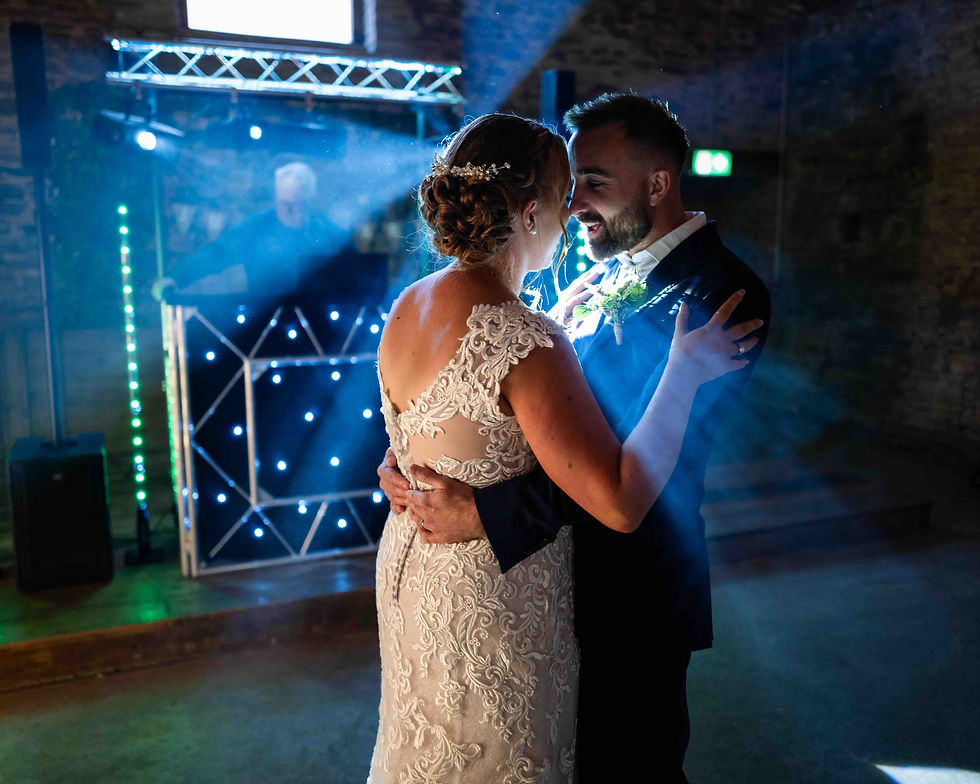
Who this style suits best
If you care more about feeling present than performing for the camera, documentary photography is usually a strong choice. It suits couples who want to remember how the day felt, not just how it looked.
It is especially well suited to people who feel camera-shy, couples planning relaxed weddings, and anyone who wants plenty of real guest interaction in their gallery. If your favourite idea of wedding photography is seeing genuine laughter, proper emotion and all the little moments you missed, this approach makes sense.
That said, every wedding is different. Some couples want mostly documentary coverage with a few gently guided portraits. Others want a little more structure around certain parts of the day. A good photographer will talk that through with you rather than forcing everything into one formula.

What you can expect from your final gallery
A strong documentary gallery should feel complete. You should see the big moments, of course, but also the small threads that hold the day together. The atmosphere of the room. The people who matter most. The unexpected bits. The funny bits. The quiet bits.
You may even find that your favourite photographs are not the ones you imagined in advance. Often, they are the frames that take you straight back to a feeling - the squeeze of a hand, a burst of laughter during speeches, a relative deep in conversation, muddy hems after a rainy walk across the venue grounds.
That is why so many couples value this style. Years later, those photographs often mean more because they show real memory, not just appearance.
At Eyes2Me Photography, that is the thinking behind relaxed wedding coverage. The aim is not to turn your day into a production. It is to help you enjoy it fully, while quietly preserving the moments that make it yours.
If you are choosing your wedding photographer now, the best question is not whether documentary photography is fashionable. It is whether you want to spend your wedding being directed, or whether you want the freedom to live it properly and trust that the right moments will be noticed.


Comments