
Wedding Photo Checklist for a Relaxed Day

A good wedding photo checklist should make the day feel easier, not more managed. The best photos usually come from real moments as they happen, so your checklist is there to protect what matters most, not to turn your wedding into a timetable of poses.
That matters even more if you already feel a bit awkward in front of the camera. Many couples across South Wales want beautiful wedding photographs, but they do not want hours of being lined up, told where to put their hands, and pulled away from their guests. Fair enough. A useful checklist keeps the important people and moments covered while leaving space for the day to breathe.

What a wedding photo checklist is really for
There is a common idea that a checklist means hundreds of must-have shots copied from Pinterest. In real life, that often creates pressure and disappointment. Weddings are live events. Light changes, the weather does its own thing, family members wander off to the bar, and the most meaningful moments are often the ones nobody planned.
A better approach is to think of your checklist in three parts. First, the non-negotiables - the people, details and parts of the day that matter most to you. Second, the practical information your photographer needs in order to spot those moments. Third, a bit of breathing room so the genuine atmosphere can come through.
That is usually where the strongest gallery comes from. Not from forcing a perfect replica of someone else’s wedding, but from making sure your own one is photographed properly.
Wedding photo checklist: the moments that matter most
Your list does not need to be long. It needs to be personal.
For most couples, the day starts with the build-up. Getting ready photographs are not just about dresses, suits and shoes. They are about nerves, laughter, family helping out, someone realising the buttonholes are still in the fridge, and that quiet moment before everything begins. If that part of the story matters to you, include the people you most want around you and any details with real meaning.
The ceremony is usually the easiest part to overthink and the hardest part to control. You do not need a long list here. What matters is the story of it - arrivals, reactions, the walk in, the exchange of vows and rings, the first kiss, and what happens just after when the nerves lift. That walk back down the aisle often gives some of the happiest, least guarded images of the whole day.
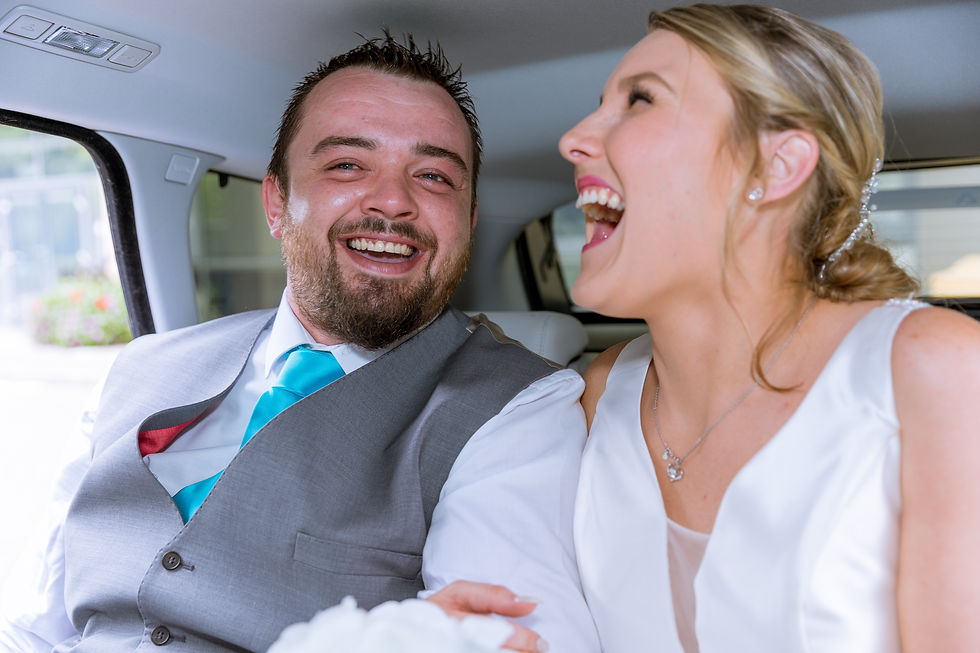
Then come the congratulations. This is one of the richest parts of any wedding for documentary photography because it is full of hugs, faces, movement and real emotion. It can look a bit chaotic at the time, but it nearly always matters more in the final gallery than couples expect.
Group photographs belong on the checklist too, but with some restraint. Family photographs are genuinely important, especially when relatives have travelled, older generations are there, or the wedding may be one of the few times everyone is together. The trick is to keep them focused. A short, well-planned list works far better than trying to photograph every possible combination.
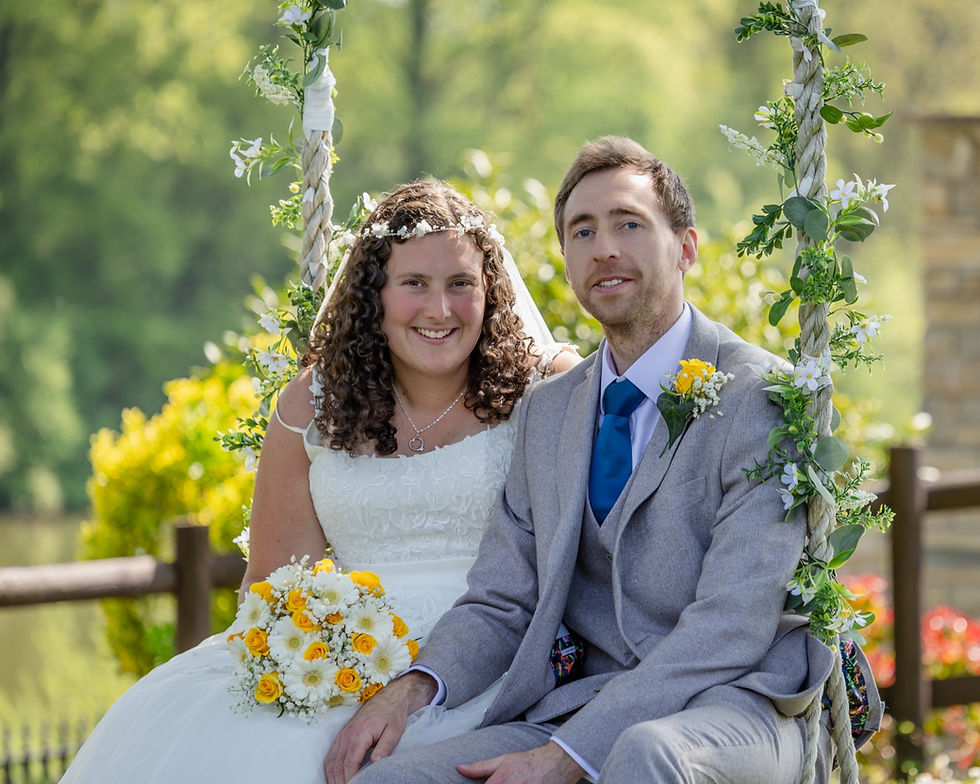
Couple portraits should be on your checklist, but they do not need to dominate the day. If you prefer relaxed, natural photographs, it makes sense to allow a short window for the two of you to step away, catch your breath, and have a few moments together. That often feels less like a photoshoot and more like a pause in the middle of a busy day.
From there, think about the reception as a run of moments rather than a set of staged pictures. Speeches, laughter, room reactions, children charging about, people wiping away tears and then dancing half an hour later - that is the texture of the day. Cake cutting, first dance and the evening atmosphere matter, but the in-between moments often carry just as much weight.
The family photo part of your wedding photo checklist
If there is one section worth organising in advance, it is the group list. This is where a bit of planning saves a lot of time.
Keep it to the combinations you will genuinely print, frame or send to family. Parents, siblings, grandparents and any people with a special place in your life usually cover the essentials. If there are divorces, new partners, bereavements, stepfamily dynamics or sensitive relationships, tell your photographer beforehand. It is much easier to handle that quietly and respectfully with a plan than to sort it out in front of everyone on the day.
It also helps to appoint one reliable person from each side who knows the families and can gather people quickly. That might sound like a small thing, but it makes a real difference. Your photographer can focus on the photographs instead of trying to work out who has disappeared to the loo.
As a guide, six to ten groupings is usually enough for a relaxed wedding. More than that can start to eat into drinks reception time and pull you away from your guests for longer than you would like.
What to tell your photographer in advance
A checklist is not just a shot list. It is also the information that helps your photographer work unobtrusively and still capture the right things.
Let them know about the people who matter most, especially if there is a grandparent you are close to, a family friend who helped raise you, or a child who will play a big part in the day. Mention any surprises too, such as handwritten vows, a planned gift exchange, a performance, or a tribute to someone who cannot be there. These are the details that can be missed if nobody knows to look for them.
It is also worth sharing how you feel about being photographed. If you hate stiff posing, say so. If one of you is confident and the other would rather vanish at the sight of a camera, say that too. An experienced photographer will adapt. The whole point is to make the photography fit the day, not the other way round.
For couples getting married in South Wales, local venue knowledge can help here as well. Every venue has its own rhythm, best light, bottlenecks and weather options. Knowing where guests naturally gather, where ceremonies run late, or where to sneak off for five calm minutes can make the coverage feel much smoother.
What not to put on your checklist
This is the part people often forget. A strong wedding photo checklist includes a few things you can let go of.
Try not to list dozens of highly specific internet-inspired shots that depend on matching weather, matching light, matching architecture and a wedding party willing to reenact them. If one or two ideas genuinely matter to you, that is fine. A whole gallery’s worth can become restrictive.
It is also worth being realistic about time. If your drinks reception lasts an hour and you have planned twelve group photographs, a confetti line, couple portraits and time to actually speak to your guests, something will have to give. Good planning is about trade-offs, not perfection.
And if the main reason something is on your list is because you feel you should have it, rather than because you actually want it, it may not belong there.
A simple way to build your list
Start with the people. Write down the names you would be most upset to miss in the gallery.
Then think about the moments. Not generic wedding moments, but the ones that matter to your relationship and your day. That could be your dad seeing you before the ceremony, your gran on the dance floor, your friends during speeches, or ten quiet minutes outside just after you are married.
Finally, think about the feel of the gallery you want back. If you want relaxed, honest photographs with very little interruption, your checklist should be short and clear. If formal family portraits are especially important, make room for them properly. There is no one right answer, but there is a right balance for you.
At Eyes2Me Photography, that balance is usually where the best work happens - enough structure to protect the photographs that matter, and enough freedom for the real story to unfold naturally.
A wedding day moves quickly. You will not remember every little detail in order, and you are not meant to. The photographs are there to bring it all back - the people, the feeling, the bits you missed, and the moments you did not know were happening. So make your checklist useful, keep it personal, and let the day be a day rather than a production.
The list is not for me. I dont work with lists. The list a is a plan for you. It helps take the pressure off you. Drop me a line and I will send you a PDF version that you can use.

Comments